Lifestyle & Wellness · GLP-1 Program
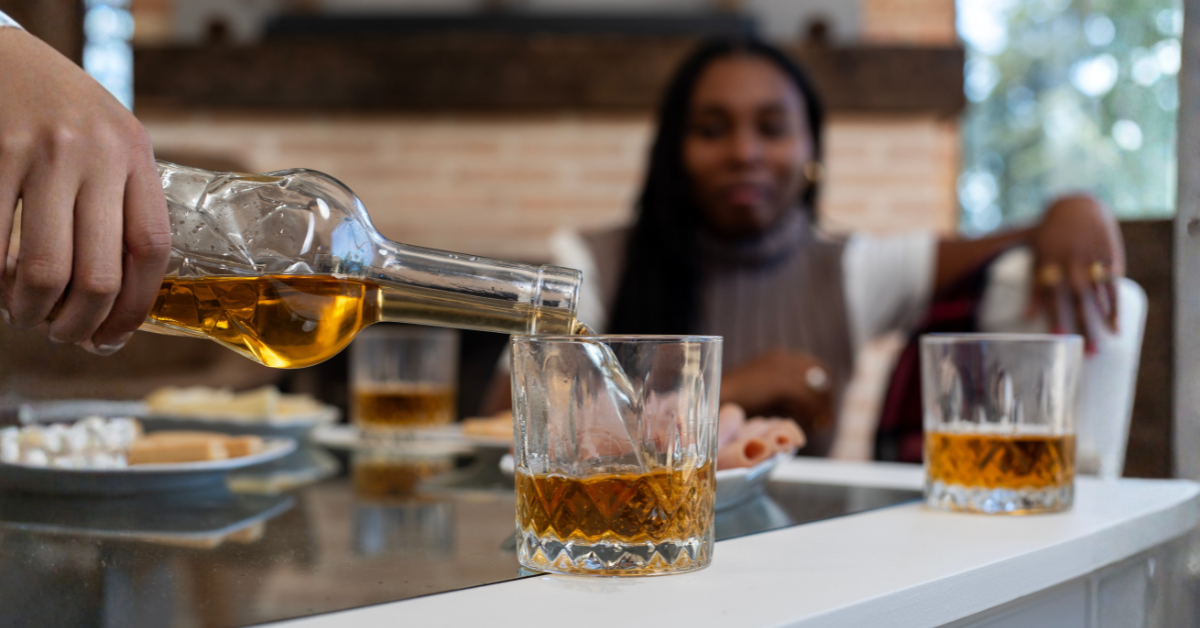
Questions about alcohol and GLP-1 medications are among the most common — and the least honestly answered. Most programs either ignore the topic completely or offer a vague “consult your doctor” that doesn’t tell you anything useful.
So here’s the actual picture: what happens when alcohol and GLP-1 medications interact, why many patients report reduced cravings for alcohol as an unexpected side effect, and what practical guidelines actually look like during treatment.
This post doesn’t tell you not to drink. It gives you the information you need to make your own informed decision — and to have a real conversation with your provider about it.
Why Alcohol and GLP-1 Medications Interact
GLP-1 medications act on several systems simultaneously — appetite regulation, blood sugar control, gastric emptying, and reward pathways in the brain. Alcohol interacts with several of those same systems, which is why the combination produces effects that many patients don’t anticipate.
Specifically, three mechanisms are most relevant when it comes to alcohol and GLP-1 medications:
How GLP-1 medications and alcohol interact
- Blood sugar fluctuation — alcohol lowers blood sugar, and GLP-1 medications affect how your body manages glucose. Together, this combination can cause more pronounced blood sugar dips than either would alone — particularly if you drink on an empty stomach or drink more than usual.
- Increased sensitivity to alcohol — because GLP-1 medications slow gastric emptying, alcohol reaches the bloodstream more slowly but often produces a stronger effect than expected when it does. Many patients report feeling the effects of alcohol more intensely — and sometimes faster — than they did before starting treatment.
- GI amplification — alcohol is a GI irritant, and GLP-1 medications already affect digestion. Combining the two — particularly during the early weeks of treatment — can significantly worsen nausea, digestive discomfort, and other GI side effects you might otherwise be managing well.
None of these interactions mean alcohol is categorically prohibited during GLP-1 treatment. They do mean that drinking the same way you did before starting treatment may produce a very different experience — and that awareness of these mechanisms helps you navigate that shift safely.
GLP-1 medications don’t prohibit alcohol. But they do change how your body processes it — and most patients don’t realize that until it catches them off guard.
The Unexpected Effect: Reduced Alcohol Cravings on GLP-1
One of the most consistently reported — and least expected — experiences among patients using GLP-1 medications is a significant reduction in their desire to drink alcohol. This effect isn’t in every person, but it’s common enough that researchers are actively studying it.
Research on GLP-1 medications and alcohol use disorder shows that GLP-1 receptor agonists reduce alcohol consumption in animal models and, in emerging human trials, show promise in reducing alcohol cravings in people with alcohol use disorder. The mechanism relates to the same reward pathways in the brain that GLP-1 affects when it reduces food noise — the constant preoccupation with consuming something that drives overconsumption.
In practice, many patients describe simply not thinking about alcohol the way they used to. A glass of wine at dinner that used to lead to a second and third becomes easy to stop after one — or becomes something they don’t particularly feel like having at all. For women who found alcohol was a significant part of their routine, this shift can feel surprising and, for many, welcome.
What patients commonly report about alcohol on GLP-1
- Reduced desire to drink in social situations — not a conscious decision, but simply not feeling pulled toward alcohol the same way
- Feeling satisfied after less alcohol — one drink feeling like two used to, without the same urge to continue
- More pronounced effects at the same quantity — which can be positive (feeling the effect with less) or disorienting (feeling drunker than expected)
- Increased next-day sensitivity — hangovers that feel more significant even after modest consumption, related to the slower gastric emptying and blood sugar effects
Have questions about how GLP-1 treatment fits your lifestyle? A licensed provider can review your specific situation.
Practical Guidelines for Alcohol During GLP-1 Treatment
There’s no universal rule about alcohol and GLP-1 medications that applies to everyone. Your provider determines what’s appropriate based on your individual health picture — including any metabolic conditions, other medications, and where you are in your titration schedule. That said, several practical guidelines apply broadly.
|
Guidelines that reduce risk ✓ Always eat before drinking — never drink on an empty stomach during GLP-1 treatment ✓ Start with less than you normally would — your sensitivity has likely changed ✓ Stay well hydrated — alternate water between alcoholic drinks ✓ Avoid drinking during the first 2–4 weeks of treatment or after a dose increase, when GI side effects are most active ✓ Tell your provider honestly how much you drink — it’s relevant clinical information, not a judgment |
Situations that warrant extra caution — You have a history of hypoglycemia or blood sugar instability — You’re in the first month of treatment and still adjusting to GI effects — You recently increased your dose — You’re managing other conditions like PCOS or metabolic syndrome that affect blood sugar — You take other medications that interact with alcohol |
Additionally, alcohol provides calories with essentially no nutritional value — and during GLP-1 treatment, when total food intake often decreases, those empty calories can displace the protein and nutrients your body actually needs. This is especially relevant for women managing muscle preservation during treatment, where protein intake is already a priority.
Alcohol, GLP-1 Medications, and Mood
Because GLP-1 medications act on reward pathways in the brain, their interaction with alcohol extends beyond the physical — it also touches on mood and emotional patterns.
Some women who previously used alcohol to manage stress, wind down in the evening, or ease social anxiety find that the pull toward it diminishes on GLP-1 treatment. That shift can feel liberating — or, occasionally, disorienting, particularly if alcohol played a significant role in their daily stress management routine.
Furthermore, alcohol disrupts sleep architecture — particularly the deep sleep stages where muscle repair and hormone regulation happen — which compounds the importance of limiting intake for women who are already managing mood changes during GLP-1 treatment or building the healthy sleep habits that support treatment outcomes.
Many women on GLP-1 medications find that alcohol loses its pull — not through restriction, but because the reward system that drove the craving has genuinely shifted.
What to Tell Your Provider About Alcohol
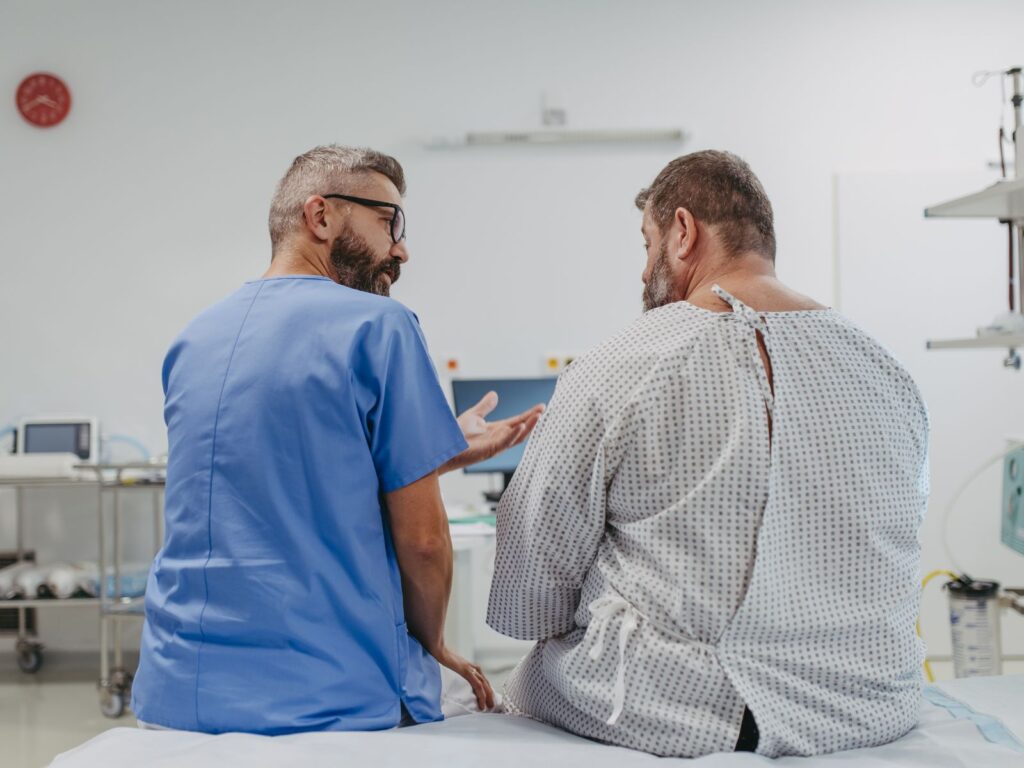
One of the most important things you can do before starting GLP-1 treatment is give your provider an honest picture of your alcohol use — not because you’ll be judged, but because it’s clinically relevant information that shapes how they approach your care.
Your provider needs to know whether alcohol is a regular part of your routine, roughly how much you consume weekly, and whether you have any history of alcohol use that’s felt difficult to manage. This allows them to monitor the right things, set appropriate expectations, and flag any interactions with your specific health profile before they become a problem.
At Your Infinity Health, every intake form includes specific questions about lifestyle factors — including alcohol — precisely because that context shapes how your provider designs your treatment plan. If you want to understand what that intake process looks like from start to finish, this overview of how to start a GLP-1 program online walks through every step.
The Bottom Line on Alcohol and GLP-1 Medications
Alcohol and GLP-1 medications coexist for many patients without significant problems — provided you understand the interaction and adjust accordingly. The key changes are straightforward: expect stronger effects from less alcohol, eat before you drink, stay hydrated, and be conservative during the early weeks of treatment.
Beyond the practical guidelines, many patients find that GLP-1 treatment naturally shifts their relationship with alcohol in ways they didn’t anticipate — and didn’t ask for. That shift is one of the more unexpected benefits of treatment for some women, and one that researchers are increasingly interested in understanding.
As with everything in a physician-supervised program, the conversation about alcohol belongs with your provider — not a blog post. What this post can do is make sure you walk into that conversation informed, so you ask the right questions and get answers that actually apply to your situation. If you’re still deciding whether a GLP-1 program is right for you, this post on why GLP-1 treatment is different from other approaches explains the distinction clearly.
Start a program built on honest, complete clinical care.
At Your Infinity Health, a licensed provider reviews every intake personally — including your full lifestyle picture. LegitScript certified. OpenLoop Health clinical infrastructure. Available in all 50 states.
Compounded medications are not FDA-approved finished products. Licensed providers prescribe all medications following individual clinical evaluation. Results vary by individual. This content is for informational purposes only and does not constitute medical advice.